Milesa: A Timeless Handwritten Font for Business
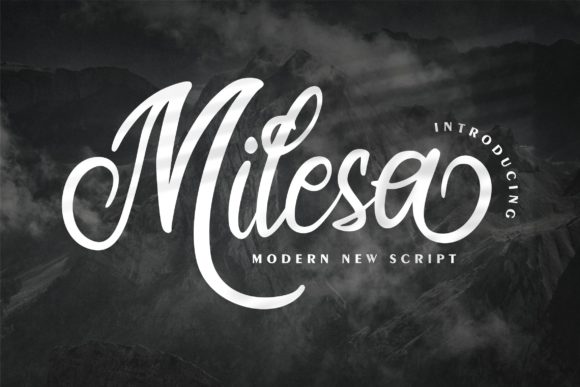
As a small business owner, I know how important it is to create a consistent and professional brand image. Every design element, from logos to packaging, plays a role in how customers perceive your business. That’s why I’ve found Milesa to be such a valuable tool in my design toolkit. It’s a delicate, elegant, and timeless handwritten font that adds a personal touch to any project.
Milesa has a soft, flowing style that feels both modern and classic. It’s perfect for businesses looking to convey warmth, creativity, and authenticity. Whether you’re designing a logo or crafting social media graphics, this font brings a sense of personality that can’t be replicated with more rigid typefaces.
Using Milesa in Real Business Materials
One of the first places I used Milesa was on my business cards. It gave them a refined yet approachable look that stood out from the typical blocky fonts. For my online shop, I used it as a headline on product labels and packaging. The result was a cohesive brand identity that felt intentional and well-designed.
I also use Milesa for thank-you cards and promotional flyers. It adds a human touch that makes customers feel appreciated. On my website, I pair it with a clean sans serif font for headings and body text. This combination keeps the design readable while still maintaining a creative edge.
When to Use Milesa as a Display Font
Milesa works best as a display font or accent typeface. It’s not ideal for long paragraphs of text, but it shines when used in headlines, logos, and short phrases. For example, if you run a boutique or a café, using Milesa in your logo can help create a memorable and unique brand identity.
It’s also great for digital ads and social media content. On Instagram posts or Pinterest graphics, a well-chosen font can make your content stand out. Milesa adds an artistic flair that draws attention without overwhelming the viewer.
Readability and Practical Considerations
While Milesa is beautiful, it’s important to consider its readability in different contexts. On small labels or mobile screens, the font may appear less legible if not used carefully. I recommend testing it at various sizes and in different formats before applying it across your entire brand.
For printed materials like packaging or business cards, make sure the font is clear and doesn’t lose its character when scaled down. When using it on social media thumbnails, keep the text short and bold enough to be visible at a glance.
Pairing Milesa with Other Fonts
To get the most out of Milesa, I like to pair it with other fonts that complement its style. A clean sans serif font like Lato or Montserrat works well as a supporting typeface. This creates a balance between the decorative elements of Milesa and the clarity of a more straightforward font.
If you prefer a more traditional look, pairing Milesa with a serif font like Georgia or Playfair Display can add a touch of elegance. These combinations are especially effective for branding projects that aim to feel both modern and timeless.
Testing Milesa Before Full Implementation
Before committing to a font for your entire brand, I always recommend testing it in real-world scenarios. Create a few mockups of your logo, business card, and website header using Milesa. See how it looks in different sizes and lighting conditions.
Also, ask friends or colleagues for feedback. Sometimes what looks good on a screen might not translate well to print or mobile devices. Testing helps ensure that your brand materials look consistent and professional across all platforms.
Commercial Licensing and Font Usage
One thing to keep in mind is that commercial font licensing is essential. If you plan to use Milesa on products, packaging, or client work, make sure you have the proper license. This protects you and ensures that your designs are legally compliant.
Many fonts, including Milesa, are available through platforms like Adobe Fonts, Creative Market, or the Script Amp collection. Always review the licensing terms before using a font in a commercial setting.
How Milesa Helps Build Trust and Recognition
Consistency is key in building a strong brand. Using a font like Milesa across your business materials helps create a unified visual language that customers recognize. Whether it’s on a menu, a sticker, or a social media post, this font adds a layer of professionalism that speaks volumes.
For example, if you run a handmade candle business, using Milesa on your product labels gives your brand a curated, artisanal feel. Similarly, if you’re a coach or consultant, incorporating it into your website banners and email newsletters can reinforce your brand’s personality and credibility.
Ultimately, Milesa is more than just a font—it’s a tool that helps small businesses express their unique identity. With its elegant style and versatile applications, it’s a smart choice for anyone looking to elevate their brand visuals. Whether you’re launching a new product line or redesigning your website, Milesa offers a fresh and authentic way to connect with your audience.