Millard: A Timeless Handwritten Font
As a small business owner, I know how much visual details matter. From the first glance at a product label to the final touch of a thank-you card, every element contributes to the overall impression of your brand. Recently, I was tasked with updating our bakery's packaging and realized that the right font could elevate our entire look. That’s when I discovered Millard—a beautifully crafted handwritten font that adds a personal, elegant touch to any project.
The Beauty of Millard
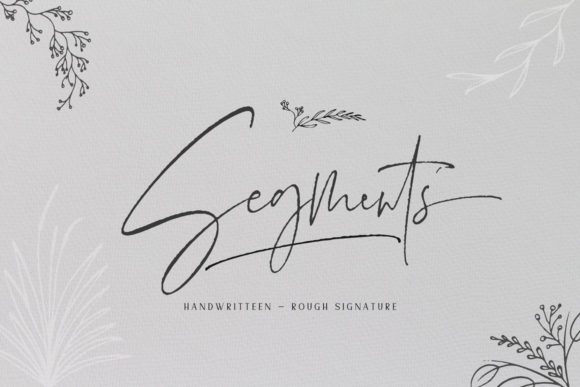
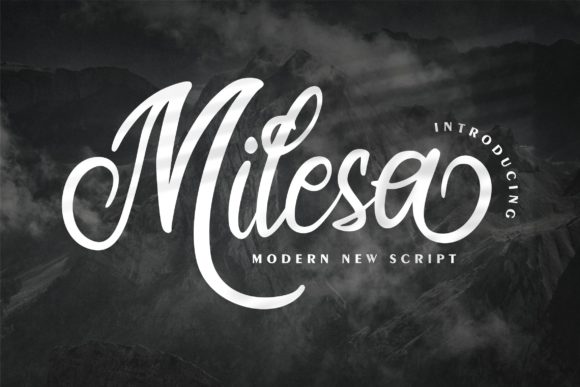
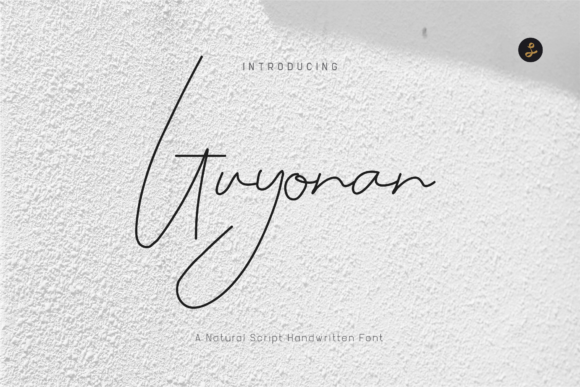
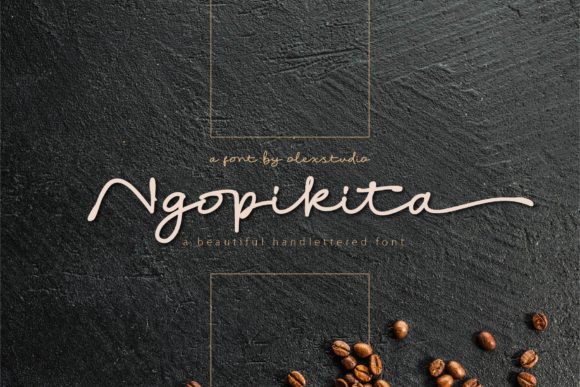
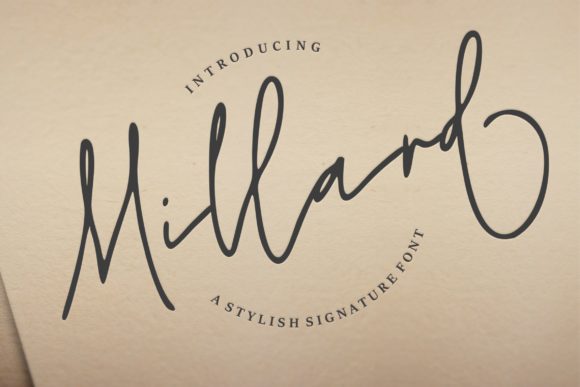
Millard is more than just a font; it's a style that feels like a warm, handwritten note. Its delicate strokes and soft curves give it a timeless quality that works well in both digital and print formats. Whether you're designing a logo, creating product labels, or crafting social media graphics, Millard brings a sense of authenticity and refinement that can't be replicated by generic fonts.
What makes Millard stand out is its balance between elegance and approachability. It's not overly ornate, but it still carries a sense of sophistication that can make a big difference in how your brand is perceived. For businesses looking to create a more polished and professional image, this font is an excellent choice.
Real-World Applications
I tested Millard on several real-life projects, starting with our bakery's new packaging. The font looked stunning on our box designs, adding a personal touch that made the products feel more special. It also worked well for our skincare labels, where a clean yet expressive font was needed to convey both professionalism and care.
Another project involved updating our café's menu. Using Millard for the headings gave the menu a fresh, inviting feel. It paired beautifully with a simple sans serif for the body text, creating a balanced and readable layout. The font also shone on our Instagram posts, where it added a unique flair to promotional banners and story overlays.
For a local candle seller, Millard was perfect for labeling jars. The font's softness complemented the calming nature of the products, while still maintaining a level of sophistication that made the brand feel trustworthy and high-quality.
When to Use Millard
Millard excels as a display font, ideal for headlines, logos, and decorative elements. It's not the best choice for long blocks of text due to its intricate details, which can affect readability at smaller sizes. However, when used strategically—such as for titles, taglines, or short phrases—it can add a striking visual element to your design work.
It's especially effective for branding materials that aim to evoke warmth, creativity, or personal connection. Whether you're designing a boutique tag, a coaching brand's website, or handmade product packaging, Millard can help your brand stand out in a way that feels genuine and memorable.
Typography Tips for Small Businesses
When using Millard on small labels or mobile screens, it's important to consider size and spacing. At smaller sizes, the font's details can become harder to read, so it's best to use it for short phrases or headlines. On printed packaging, ensure there's enough white space around the text to maintain clarity.
For social media thumbnails and shop visuals, pairing Millard with a clean sans serif can create a modern and cohesive look. This combination allows the handwritten font to shine without overwhelming the design. It also helps maintain visual consistency across different platforms and materials.
If you're working on a larger project, such as a website banner or online shop graphic, Millard can serve as a focal point. Just be mindful of contrast and legibility to ensure it complements the rest of your design rather than competing with it.
Font Pairing Ideas
Millard pairs well with a variety of other fonts, depending on the tone and style you want to achieve. For a classic, refined look, pair it with an elegant serif font like Playfair Display or Georgia. For a more modern and clean aesthetic, try a minimalist sans serif like Lato or Montserrat.
If you're going for a more creative or artistic vibe, combining Millard with another script or handwritten font can add depth and interest. However, be careful not to overdo it—using too many similar styles can clutter the design and confuse the viewer.
Ultimately, the key to successful font pairing is balance. Choose fonts that complement each other in terms of weight, style, and mood. This will help create a cohesive and professional-looking brand identity that resonates with your audience.
Before using Millard in any commercial project, make sure to check the licensing information. Most premium fonts come with specific guidelines for use, including restrictions on digital downloads, merchandise, and client work. Ensuring you have the right license will help avoid any legal issues down the line.